
Buying a Pre-Owned Luxury Watch From a Stranger: What Actually Matters
Buying a pre-owned luxury watch from someone you’ve never met is part treasure hunt, part risk management. The romance is real. So are the scams, the Frankenwatches, the “lightly polished” cases that look like they went through a rock tumbler, and the sellers who vanish the moment your bank transfer clears.
Here’s the thing: you’re not just evaluating a watch. You’re evaluating *a story*, and deciding whether the story holds up under pressure.
One line I live by:
If you can’t explain *why* it’s legit, you don’t “know” it’s legit.
Start with your goals (because the market will happily distract you)
Before you look at listings, decide what you’re actually buying.
A daily wearer?A collectible? A milestone piece you’ll baby and insure? These choices change everything, dial condition tolerance, service urgency, even how much provenance matters.
I like writing this down, because the minute you start scrolling marketplaces, or browsing a trusted Watch Boutique, your brain turns into a magpie.
Get specific:
– How often will you wear it?
– Do you care about original lume, unpolished lines, matching-date serial ranges?
– Are you okay with replacement hands or a service dial?
– Do you want “investment-ish,” or do you want “zero stress at the office”?
Now the less fun part: budget.
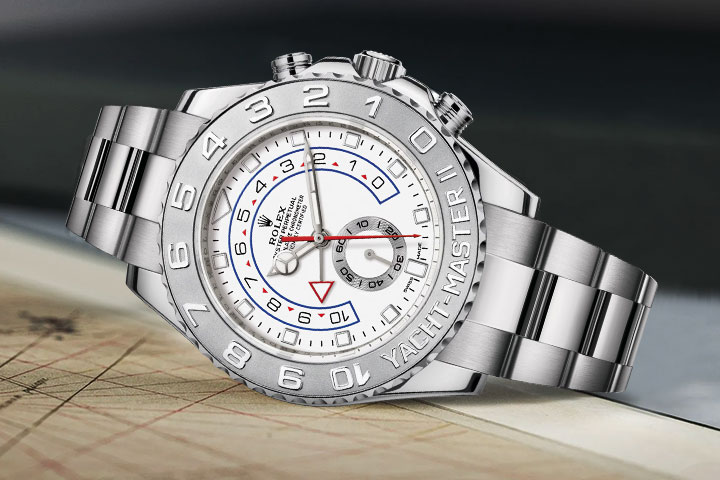
Your budget isn’t just purchase price. A routine service on many luxury mechanicals can run $600, $1,200+, and more if parts are needed. For some complicated pieces, you can blow past that without trying.
*(If you can’t afford the service, you can’t afford the watch.)*
A blunt take: papers don’t prove anything by themselves
Papers are nice. They are not a shield.
Counterfeiters forge warranty cards, stamps, and “full set” kits all the time. The paperwork is a data source, not the verdict.
What you’re trying to build is a *coherent identity profile* for the watch:
– Serial number range matches the model and era
– Reference number aligns with case, dial, hands, bracelet
– Provenance makes sense (ownership chain, receipts, service trail)
– The seller’s story doesn’t change when you ask basic follow-ups
And yes, check for the dumb stuff. Misspellings.Wrong fonts.Incorrect dealer names. Date inconsistencies that don’t match release timelines.
Now, this won’t apply to everyone, but… if a seller gets defensive when you ask to verify serials or request additional photos, that’s usually the whole answer.
Authenticity checks: get tactile, get picky
You want the watch inspected like a technician would, not like an Instagram commenter.
The outside tells you a lot
Case condition is more than scratches. Look at geometry. Lug edges. Bezel teeth. The way light breaks across brushed vs polished surfaces.
Over-polishing is a value killer and a clue that someone’s hiding a hard life. I’ve seen “mint” watches with rounded lugs that basically confessed to three aggressive refinishes.
Quick hits that matter:
– Crown threads feel clean and firm (if it’s a screw-down)
– Pushers don’t wobble like loose door handles
– Bezel action is crisp and aligned (on divers, GMTs, etc.)
– Crystal is correct for the model (AR tint and edge profile can be telling)
Movement behavior (even without opening it)
Wind it. Set it. Watch the seconds hand. Check date change timing. Listen for rotor noise if it’s automatic.
A healthy watch feels smooth. A problem watch feels… vague. Gritty.Inconsistent.
If you can get movement photos, even better. Compare bridges, engravings, rotor design, screw finish, regulator style, brand-correct details matter because counterfeit movements usually get the “big shape” right and the fine execution wrong.
Service history: the least sexy document that saves you money
Service paperwork is the adult supervision of pre-owned buying.
A real service record usually includes:
– date of service
– who performed it (brand, authorized center, reputable independent)
– parts replaced
– pressure test results (if applicable)
– regulation or timing notes
Vague “recently serviced” claims don’t count. Neither does a blurry photo of an invoice with half the info blocked out.
Also: a service can hurt value if it involved aesthetic changes (polishing, service dial, replacement hands). Collectors care. Some buyers don’t. You should at least know what happened.
One-line reality check.
A watch with no service history isn’t automatically bad, it’s just financially unknown.
Seller credibility: you’re buying the person as much as the watch
Look, anyone can post clean photos. The seller is where the deal either stays safe or goes sideways.
I vet sellers the same way I’d vet a contractor I’m paying up front:
– Are they consistent across platforms?
– Do they have a long, boring transaction history (boring is good)?
– Do they answer questions directly or dodge with vibes?
– Will they provide ID verification, references, or escrow?
If they’re a private individual, ask for a verifiable name, location, and a matching shipping identity. If they refuse, you already learned what you needed to learn.
And don’t underestimate responsiveness. A legitimate seller who has done this before usually has a process. Scammers improvise.
Secure the transaction (this is where people get weird)
If you take only one thing from this: avoid irreversible payments to strangers.
No “friends and family.” No wire transfer to an unfamiliar name because they “need it fast.” No crypto discounts unless you’re deliberately taking on that risk.
Better options:
– escrow services designed for high-value goods
– marketplaces with buyer protection (read the fine print)
– credit card payments through reputable dealers (fees are often worth it)
Get terms in writing. Real terms. Not “don’t worry bro I’ll take care of you.”
Define the steps:
- identity verification
- agreed condition statement (scratches, stretch, accuracy, water resistance assumptions)
- payment method and timing
- insured shipping with signature
- inspection window and return rules
If the seller pushes urgency, “three other buyers,” “must ship today,” “price goes up tonight”, pause. Pressure is a tactic. Watches are plentiful.
Provenance + warranty: useful, but don’t romanticize it
Provenance is a chain of custody. Warranty is a set of rules. Neither is magic.
For provenance, you want alignment:
– original purchase receipt or dealer stamp
– service stamps that fit the timeline
– serials and reference numbers that match the physical watch
For warranty, verify:
– remaining term
– transferability (some brands make this painful)
– what’s covered (movement vs water resistance vs “manufacturing defects only”)
– where service must be performed to keep it valid
Aftermarket warranties can be fine, but read claim procedures. If it takes five weeks, three approvals, and a shipping gauntlet to get coverage, it’s more marketing than protection.
Red flags and scams (the stuff that keeps showing up)
A few patterns repeat because they work.
– Price is way below market with a dramatic backstory (“need money today,” “divorce sale,” “inheritance, no idea what it is”). Sometimes true. Often bait.
– Refusal to provide movement photos when the watch type normally allows it (or providing the same generic movement photo everyone’s seen online).
– Serial numbers blurred “for security.” This is a half-truth used as a shield. You can mask the last digits and still prove it exists.
– Mismatch details: wrong clasp code, inconsistent engravings, dial printing that doesn’t match the era, hands that belong to a different reference.
– Odd shipping constraints: “Only ship to a different address,” “use my courier,” “declare low value.”
One more: sellers who want to move the conversation off-platform immediately. Sometimes that’s innocent. Often it’s to strip away your protections.
A real stat, because the risk isn’t imaginary
Swiss Customs reported over 30 million counterfeit watches were seized globally in a single year in prior reporting periods (figures commonly cited from Swiss watch industry and customs-related reporting; one frequently referenced source is the *Federation of the Swiss Watch Industry (FH)* in its anti-counterfeiting communications). The exact number fluctuates, but the direction doesn’t.
Translation: you are shopping in a category that attracts industrial-level fraud.
Negotiation: be calm, be clinical
Negotiating a luxury watch isn’t about “winning.” It’s about pricing risk correctly.
In my experience, the best leverage isn’t being aggressive, it’s being precise:
– “No service history, so I’m budgeting a full overhaul.”
– “Case appears polished; that affects value for this reference.”
– “Bracelet stretch suggests heavy wear; comps with tighter bracelets are lower/higher.”
Anchor your offer to actual comparable sales, not listings that haven’t moved for six months.
And if you’re negotiating with a stranger, structure matters more than discount:
– escrow fees split
– inspection window
– documented condition agreement
– return terms for authenticity failure
If they won’t agree to reasonable safeguards, that’s not a negotiation problem. That’s a deal you shouldn’t do.
The quiet rule that keeps you safe
If anything feels off, stop.
Not “keep going but be careful.” Stop. A watch is optional. Regret is expensive, and fake confidence is how people talk themselves into bad wire transfers.
Buy the watch when the details line up, the seller holds steady under scrutiny, and the transaction mechanics protect you even if you’re wrong. That’s disciplined ownership. That’s how you stay in the hobby without paying tuition to scammers.