
Proximity sensor test promotes efficiency in manufacturing and control operations
In today’s competitive manufacturing environment, precision and efficiency are critical. Conducting regular proximity sensor tests plays a key role in streamlining operations and ensuring reliable control systems. These tests not only improve equipment performance but also optimize production workflows, making them indispensable for modern manufacturing processes.
Enhancing Equipment Performance
- Accurate detection – Proximity sensor tests verify that sensors respond correctly to object presence, reducing errors and misfires.
- Reduced downtime – Identifying sensor issues before they escalate prevents unexpected machine stoppages, keeping production lines running smoothly.
- Extended equipment lifespan – Routine testing minimizes wear on machinery by ensuring sensors trigger operations at the right time.
Reliable sensor performance allows machines to operate at optimal efficiency, which directly supports higher throughput and improved product quality.
Streamlining Control Operations
- Consistent process control – Testing ensures sensors maintain precise positioning and timing, which is essential for automated control systems.
- Improved responsiveness – Accurate sensor readings enhance real-time decision-making in manufacturing processes, boosting operational efficiency.
- Seamless integration – Verified sensors work harmoniously with control systems, enabling smooth coordination across multiple production stages.
By maintaining precise and consistent operation, control systems can react quickly to changes, minimizing errors and maximizing output. Solving proximity sensor not working ensures smooth automation.
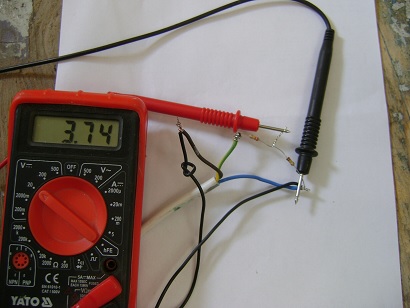
Supporting Predictive Maintenance
- Early fault detection – Proximity sensor testing identifies irregularities before they escalate into major failures.
- Data-driven maintenance planning – Test results provide actionable insights, allowing maintenance teams to schedule interventions efficiently.
- Cost savings – Preventing sensor-related breakdowns reduces repair expenses and production losses.
Predictive maintenance supported by accurate sensor testing ensures manufacturing operations remain both cost-effective and reliable.
Boosting Overall Operational Efficiency
- Optimized workflows – Knowing that sensors function correctly allows production lines to run at designed speeds without interruptions.
- Enhanced safety – Properly tested sensors prevent mishaps by accurately monitoring machine movements and proximity hazards.
- Quality consistency – Stable sensor performance ensures products meet specifications consistently, enhancing customer satisfaction.
Reliable sensor performance empowers teams to focus on strategic improvements rather than frequent troubleshooting, further driving efficiency.
Conclusion
Regular proximity sensor testing is more than just a routine check it is a strategic tool for modern manufacturing and control operations. From enhancing equipment performance to supporting predictive maintenance and streamlining workflow, these tests provide tangible benefits across all production stages. Organizations that prioritize sensor testing experience fewer interruptions, greater operational efficiency, and improved product quality, making it a cornerstone of successful manufacturing strategies.