-
Life Saving First Aid Advice for Arterial Bleeding Injuries
Arterial bleeding injuries require fast action and a calm response. Bright red blood that spurts or flows heavily can quickly become dangerous if not controlled. Learning a few simple first aid methods can help protect a person from severe blood loss while waiting for professional medical assistance. Staying focused and acting quickly can make a major difference during an emergency.
Recognize the Warning Signs
Understanding the signs of arterial bleeding helps people respond faster and more effectively.
Common Signs Include
- Bright red blood
- Rapid or pulsing blood flow
- Heavy bleeding that does not slow naturally
- Pale or cool skin
- Weakness or dizziness
- Rapid breathing
- Confusion or fainting
Quick identification allows immediate first aid steps to begin without delay.
Prioritize Personal Safety
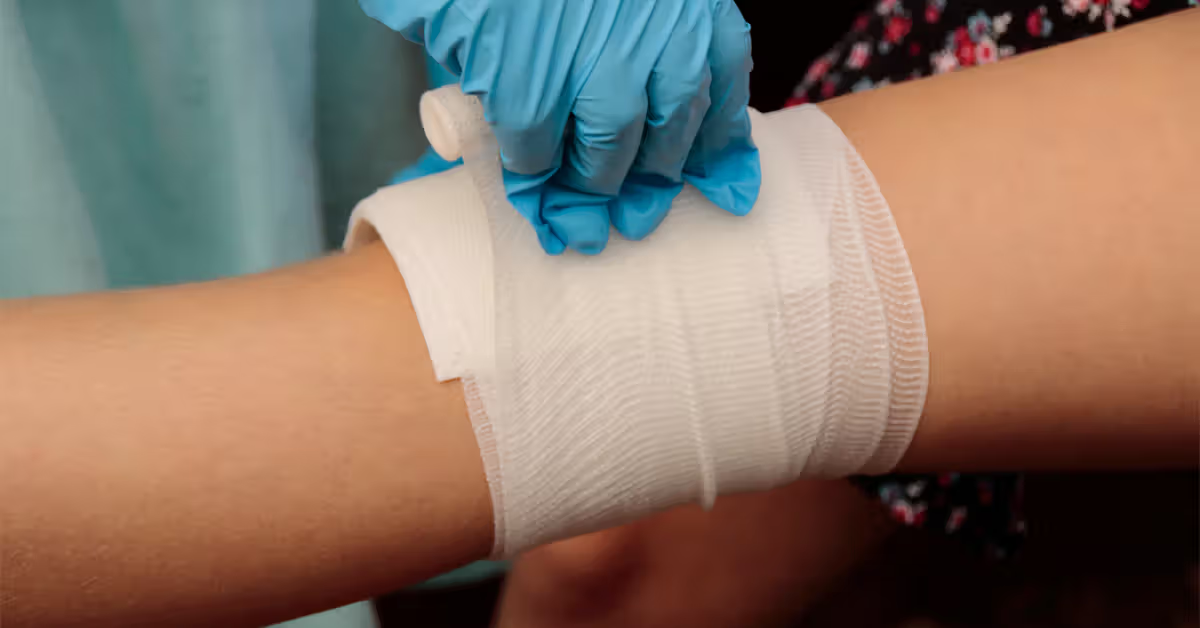
Before helping an injured person, make sure the area is safe.
Important Safety Steps
- Check for traffic, sharp objects, or unstable surroundings
- Wear protective gloves if available
- Keep the injured person calm and still
- Avoid direct contact with blood whenever possible
Protecting yourself allows you to continue helping effectively.
Apply Firm Direct Pressure
Direct pressure is one of the most effective ways to slow arterial bleeding.
How to Apply Pressure Correctly
- Use a clean cloth, dressing, or fabric
- Press firmly over the wound
- Maintain continuous pressure without lifting frequently
- Use both hands if necessary
- Encourage the injured person to remain still
Consistent pressure helps blood clot more effectively and reduces blood loss.
Elevate the Injured Area When Possible
If the injury involves an arm or leg and no broken bones are suspected, arterial bleed gently raise the injured limb above heart level.
Benefits of Elevation
- Helps reduce blood flow to the wound
- Supports pressure control methods
- May slow heavy bleeding naturally
Always move the injured area carefully to avoid worsening the injury.
Use Emergency Bandaging Techniques
Once bleeding begins to slow, secure the wound with a firm bandage.
Helpful Bandaging Tips
- Wrap the bandage snugly but not too tightly
- Leave fingers or toes visible to monitor circulation
- Add extra layers if blood soaks through
- Avoid removing the original dressing
Keeping pressure on the wound supports continued bleeding control.
Watch for Signs of Shock
Severe blood loss may lead to shock, which requires immediate attention.
Signs That Need Quick Action
- Cold or clammy skin
- Weak pulse
- Extreme fatigue
- Shallow breathing
- Anxiety or restlessness
Ways to Support the Injured Person
- Lay the person flat if safe
- Keep them warm with a blanket or clothing
- Speak calmly and reassuringly
- Avoid giving food or drinks
Comfort and reassurance can help reduce panic during the emergency.
Call for Medical Assistance Quickly
Professional care is extremely important for arterial injuries, even if bleeding appears controlled.
Information to Share during Emergency Calls
- Location of the injury
- Amount of bleeding
- Condition of the injured person
- First aid steps already performed
Clear communication helps emergency responders prepare proper treatment.
Stay Prepared For Emergencies
Learning first aid skills before an emergency happens increases confidence and readiness.
Smart Preparation Ideas
- Keep clean bandages nearby
- Learn pressure control techniques
- Practice emergency response steps
- Encourage family members to study first aid basics
Prepared individuals can respond faster and more effectively during critical moments. Quick thinking, calm actions, and proper first aid techniques can greatly improve safety and support recovery after arterial bleeding injuries.

Impressive information to refresh your mind