-
Building a Patio on the Gold Coast: What You Should Expect From a Proper Builder
If your builder can’t explain the plan in plain English, don’t let them pour a single footing.
That might sound harsh, but the Gold Coast is brutal on outdoor builds. Salt air, UV, summer storms, reactive soils in pockets, surprise drainage issues… this place rewards disciplined construction and punishes “she’ll be right” attitudes.
A quality patio builder doesn’t just build. They manage risk, document decisions, and stop small problems from turning into expensive ones.
One-line reality check: you’re not buying timber and screws, you’re buying coordination.
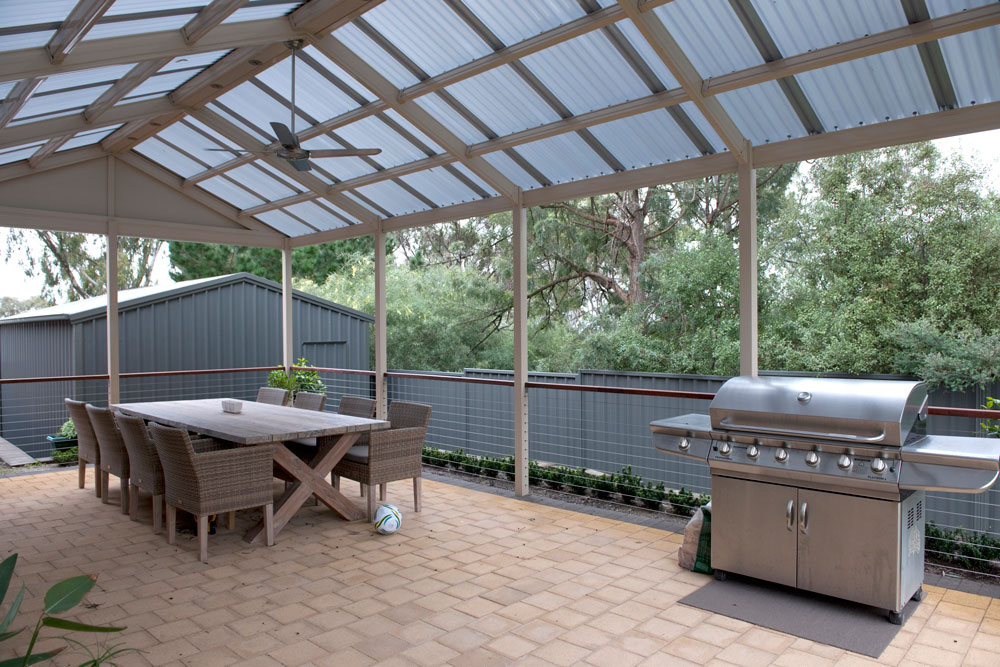
The “Upfront Deliverables” That Separate Pros From Cowboys
You’ll feel this early. Good operators show up organised; the messy ones show up friendly and vague.
Before anyone starts trenching, cutting, or “just grabbing materials,” competent patio builders in Gold Coast should hand you a package that makes the project legible. Not a glossy brochure. Real documents.
Here’s what I expect (and in my experience, it prevents 80% of disputes):
– A defined scope of works: what’s included, what’s excluded, and what assumptions are being made
– A site plan or concept layout: orientation, access points, key dimensions, clearances
– Milestones tied to payments: not “pay 50% now because reasons”
– Bill of quantities / allowances: so you can see what’s fixed-price vs variable
– Product and material warranty info: including how claims are handled (this gets overlooked constantly)
– Change-order rules: how variations are quoted, approved, and billed
– Risk notes: weather delays, lead times, access issues, latent ground conditions
– Site logistics: access, working hours, safety controls, where materials will be stored
Now, this won’t apply to everyone, but if the builder gets annoyed when you ask for these? That reaction is the point. You’ve learned something useful before you’ve paid for it.
Design + Approvals (yes, the boring stuff), and why it matters here
On the Gold Coast, patios aren’t just “a slab and a roof.” They’re often tied into existing structures, close to boundaries, and exposed to wind and corrosion. So design isn’t aesthetics first. It’s constraints first.
A solid builder will push you to lock in a design brief that’s measurable, not vibe-based:
– Where does afternoon sun hit?
– What’s the intended use… dining, spa area, outdoor kitchen, foot traffic from pool?
– What’s the maintenance tolerance (oil annually vs “never touch it again”)?
– Are you near the water or up in the hinterland fringe (salt load changes things)?
Approvals also need a map. Literally. I want to see a workflow that shows what gets submitted, who signs off, and when the critical reviews happen. Because once you’re waiting on a missing document, the schedule becomes a suggestion.
And here’s the thing: approvals don’t just slow projects. They create scope creep. People start “adding small changes” during the waiting period, and suddenly the budget’s doing acrobatics.
Coastal materials: don’t cheap out in the wrong places
If you live near the coast, corrosion isn’t a “maybe.” It’s a timeline.
Fixings, brackets, connectors, fasteners, even the wrong sealant can quietly fail while the surface still looks fine. I’ve seen beautiful patios with hidden rust issues because someone used standard hardware in a high-salt zone (it looked great… for a while).
A decent builder will specify materials for:
– UV stability (finishes that don’t chalk and peel in a year)
– Slip resistance (wet feet, pool splash, summer storms)
– Corrosion resistance (fasteners and connectors matched to exposure)
– Moisture management (timber treatment, ventilation gaps, correct flashing)
One useful data point: Outdoor wood and composite materials can reach surface temperatures well above air temperature in full sun; tests have recorded dark surfaces exceeding 60°C in hot conditions (USDA Forest Service, Forest Products Laboratory, reports on weathering and outdoor material performance). That matters for finish selection, barefoot comfort, and movement at joints.
Pricing and the real timeline (not the “best case” timeline)
Look, most patio builds don’t blow out because the builder can’t build. They blow out because the money and time were never attached to clear decisions.
Transparent pricing should feel almost boring. Itemised, labelled, and tied to deliverables.
A sane pricing structure looks like this
You get:
– Line items for materials, labour, and sub-trades
– Allowances that are clearly marked (not hidden inside a lump sum)
– Contingency logic: what triggers it, how it’s used, how it’s reported
– Variation pricing with a paper trail, not a phone call agreement
If someone says, “Don’t worry, we’ll sort it out as we go,” what they mean is, “You’ll be negotiating under pressure later.”
Milestones should bind time to accountability
Not just dates. Responsibility.
Each milestone should state:
– what’s being delivered,
– who signs off,
– what counts as “complete,”
– and what payment (if any) is released.
If the schedule doesn’t include approval points, you’re not looking at a schedule. You’re looking at wishful thinking dressed up as a Gantt chart.
Structural integrity, drainage, and safety: the non-negotiables
This part isn’t sexy, but it’s the part you’ll regret ignoring.
A patio on the Gold Coast needs to deal with intense rain events and fast runoff. Drainage isn’t just “slope it away from the house.” It’s grading, surface falls, sub-surface strategy if required, and making sure discharge doesn’t create erosion or upset neighbouring properties.
From a builder I trust, I’d expect to see:
Foundation + frame logic
Footings sized appropriately, tie-downs selected for conditions, correct connectors, and no improvising when the ground doesn’t match expectations. If the build needs engineering sign-off, it gets it.
Water management
Falls that actually work, not theoretical slopes that disappear once paving goes in. Downpipes directed with intent. Overflow considered. No “ponding” near posts.
Safety details
Steps that aren’t ankle-breakers. Balustrade heights and fixings that meet code. Surfaces that don’t turn into an ice rink when wet.
And yes, the builder should be comfortable showing you checklists and inspection points. Professionals aren’t offended by verification; they rely on it.
“How will I know what’s going on?” Communication that doesn’t drive you mad
Some builders treat updates as optional. That’s fine on tiny jobs. On a patio with approvals, materials, multiple trades, and weather windows, silence becomes risk.
Good communication isn’t constant chatter. It’s predictable.
In practice, that might mean:
– a short weekly email with progress + next steps,
– photos after key stages (footings, framing, drainage set-out),
– a single place for documents and approvals,
– quick SMS for time-sensitive issues only.
I’m opinionated on this: if decisions aren’t written down, they don’t exist. Memories are unreliable, especially once the job gets busy.
(Also, if you’re coordinating furniture, lighting, a BBQ run, or landscaping, a rolling schedule saves you from trades tripping over each other.)
Red flags I’d take seriously
A few warning signs aren’t automatically fatal. Patterns are.
Here’s what should make you slow down and interrogate the situation:
– Vague start dates with no dependency explanation (permits? materials? crew availability?)
– Pressure to skip permits or “do it later”
– Cash-only insistence or reluctance to invoice properly
– No written scope beyond a one-page quote
– Warranties discussed verbally but never documented
– They won’t name the actual person managing the job day-to-day
Ask direct questions. Listen to how they answer, not just what they say.
A few that work well:
– “What’s excluded from this quote that clients usually assume is included?”
– “How do variations get priced and approved?”
– “What’s the biggest schedule risk on my site, specifically?”
– “Who’s responsible for compliance checks and inspections?”
– “What fasteners/connectors are you specifying for coastal exposure, and why?”
If the builder can answer cleanly, you’re probably in good hands. If you get fluff, jokes, or defensiveness… that’s your forecast.
The last word (not a sales pitch)
A great patio on the Gold Coast isn’t just built. It’s planned, documented, staged, and protected from the environment it sits in.
Get the upfront deliverables. Demand coastal-grade thinking. Tie milestones to money. And don’t accept mystery timelines.
That’s how you end up with a patio that still feels solid years later, when the sun, salt, and storms have had plenty of chances to test it.
-
Terrappe: Earthmoving Parts That Don’t Flinch in Australia
Australian sites don’t reward “good enough.” Heat cooks seals, dust gets into everything, and the nearest workshop might be half a day away. So when someone says they’ve got reliable earthmoving parts, I usually raise an eyebrow.
Terrappe earns a second look because the reliability story isn’t just marketing. It’s materials, fit, and the unglamorous stuff, availability, service habits, and predictable wear.
One-line truth:
Downtime is almost always more expensive than the part.
Why operators stick with Terrappe (and why that matters)
You don’t keep buying the same brand in earthmoving because of a brochure. You do it because the parts behave the same way, job after job, machine after machine.
Terrappe reputation with Australian operators tends to come down to a few practical wins:
– Consistent wear life instead of “this batch is great, that batch is rubbish”
– Stable fit and alignment, which reduces vibration and secondary damage
– Predictable maintenance intervals, which makes scheduling less of a guessing game
Here’s the thing: “durable” isn’t just about not cracking. It’s also about not transmitting chaos into the rest of your machine. Loose tolerances and poor interfaces create vibration, heat, and fatigue where you don’t want it, pins, bushings, hydraulics, mounts. When the part fits right and holds its geometry under load, everything upstream lives longer.
A slightly technical detour: what “built for harsh sites” really means
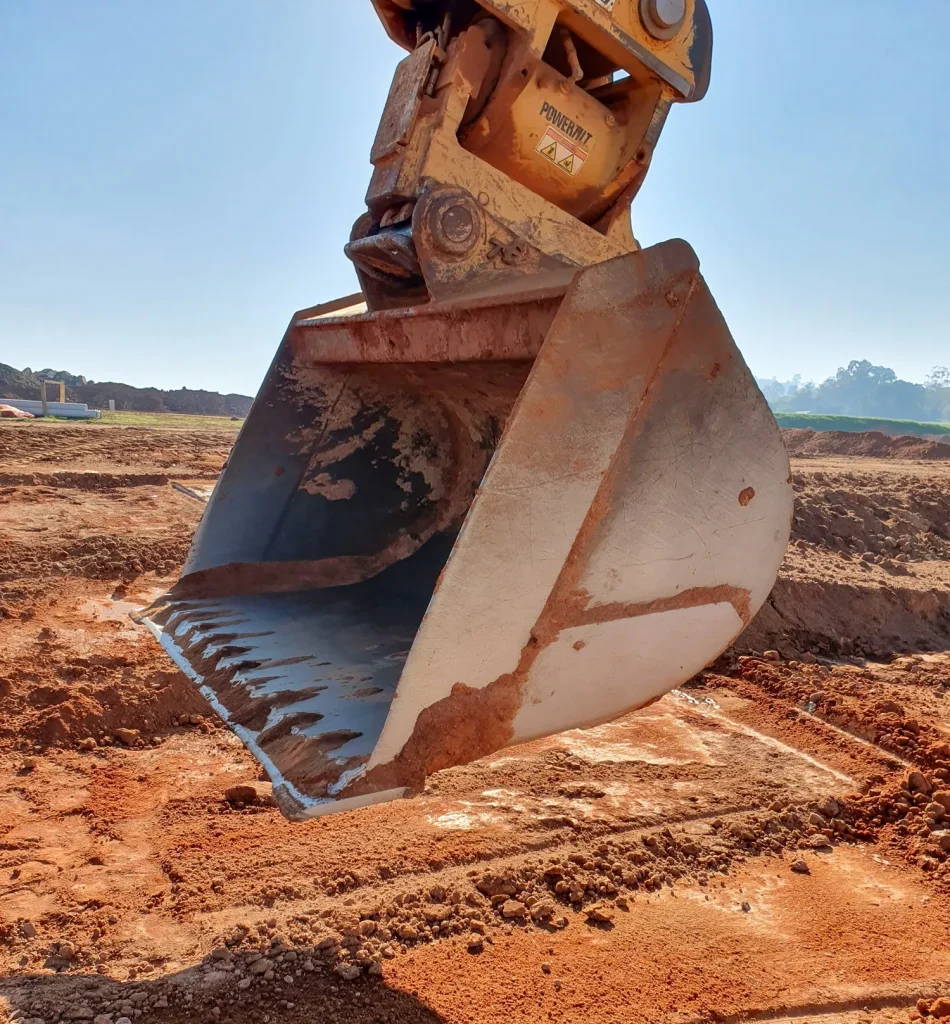
If you want the specialist briefing version, it’s this: harsh Australian conditions are a combined wear mechanism problem. Abrasion from silica-rich dust, impact loading from rock, thermal cycling, contamination ingress, and long run hours with limited maintenance windows all stack together.
Terrappe’s design approach (from what’s observable in the field and how operators talk about it) leans on three levers:
1) Geometry that spreads stress
Not exciting. Very effective. Smooth load paths, reduced stress risers, and shapes that don’t concentrate impact fatigue where cracks like to start.
2) Materials and surface strategy
Hardness without brittleness. Toughness without smearing away. Usually that means choosing the right steel/alloy, then pairing it with heat treatment and/or coatings where it actually counts (edges, contact faces, high-abrasion zones).
3) Keeping contamination out
Seals, breathers, guards, call them boring if you like, but contamination is a silent killer. Dust plus moisture plus time equals accelerated wear, especially if you’re running remote and pushing service intervals.
Now, this won’t apply to everyone, but if your machines live in fine dust and you’re seeing “mystery” failures, it’s often contamination management, not operator technique, that’s biting you.
Bold take: Most “premium” wear parts aren’t worth it unless supply is boringly reliable
I’ve seen operators buy the fanciest components available… then lose two days waiting for a replacement that should’ve been on a shelf somewhere in-country. That’s not premium. That’s a liability.
Terrappe’s advantage in Australia isn’t only that the parts last. It’s that the ecosystem, stocking, dispatch, local support, reduces the risk that a simple wear issue turns into a schedule failure. If you run remote projects, you already know the math: a $900 part plus a $6,000 downtime day is a $6,900 part.
Core lines and what you should be looking for (not just the label)
Terrappe’s “core lines” idea is essentially a promise: the parts you burn through, or the parts that stop the machine when they fail, should be engineered and supplied like they’re critical. Because they are.
Durability: what it looks like in real life
You’re aiming for:
– longer intervals between swaps
– fewer sudden failures under repetitive loading
– stable performance as the part wears (not great for 30% of life, terrible for the next 70%)
A lot of wear parts don’t fail dramatically; they degrade until the machine starts working harder, burning fuel, shaking more, and chewing itself. The operator feels it before the spreadsheet does.
Availability: the underrated performance spec
Field availability isn’t a “nice to have.” It’s a control system for your maintenance planning. Lead times you can trust let you set realistic reorder points and stop hoarding random spares “just in case” (which, frankly, is expensive clutter).
Blades, buckets, and wear parts: the benchmarks that actually matter
People love talking about hardness numbers and fancy alloys. That’s fine, but the better question is: what are you optimizing for on your site? Abrasion? Impact? Mixed ground? A nasty blend of clay and rock that cakes and then turns abrasive?
A practical benchmark set looks like this:
– Wear resistance: edge retention, material loss rate
– Fatigue life: crack resistance under cyclic impact
– Changeout time: how long the machine is dead while you swap it
– Interface integrity: pins, adapters, fasteners, and mounting points staying tight and true
And yes, cost matters. But so does cost volatility. Predictable replacement intervals make your job easier, your project forecasting cleaner, and your boss less irritated.
A data point, since everyone asks for one: silica dust is a major driver of abrasive wear on earthmoving sites, and respirable crystalline silica is also a well-established health hazard. Safe Work Australia notes it can cause serious disease including silicosis (see: Safe Work Australia, “Crystalline silica and silicosis”). That’s not just an HSE footnote, dust control and sealing strategies affect both equipment life and people.
Remote sites: keeping machines alive when help is far away
If you operate near metro, you can get away with a reactive mindset. Remote? Different game.
Look, you don’t need a complex system. You need a disciplined one.
A simple structure I’ve seen work:
– Set minimum stock levels for high-failure and high-delay parts (based on run hours, not hope)
– Standardize your fleet where you can so spares overlap
– Do small inspections often rather than big inspections rarely
– Use modular changeouts: anything that cuts swap time is a productivity tool, not a maintenance luxury
– Train for field repairs so the crew isn’t waiting for the one person who “knows how”
One-line reminder:
Reactive maintenance feels cheaper until it isn’t.
Picking the right Terrappe part for your machine + terrain (no nonsense version)
Start with the machine model and OEM requirements. Non-negotiable. After that, match to conditions.
If you’re in abrasive ground, prioritize wear surfaces and edge materials. If you’re in impact-heavy rock, don’t chase hardness so aggressively that you lose toughness and crack resistance. Mixed terrain? You’re balancing both, and the “best” part is usually the one that wears predictably and doesn’t punish the rest of the machine.
Questions I’d ask before ordering:
– What’s the dominant wear mechanism on this site: abrasion, impact, or contamination?
– Are failures happening at the wear surface… or at the interfaces (mounts, bolts, pins)?
– How long does a swap take with the crew and tools available on site?
– Is lead time stable enough to plan around, or do we need more shelf stock?
If your supplier can’t answer those cleanly, they’re not really supporting you, they’re just shipping boxes.
Service and support: what “good” looks like on site
Some service teams show up, replace a part, leave. The good ones reduce your next breakdown.
Terrappe’s on-site support pitch, stocked vans, fast response, clear ETAs, safety discipline, sounds straightforward, but it’s exactly what remote operators value. The technical skill matters, sure. The communication matters more than suppliers like to admit.
A decent support visit should include (at minimum):
– a quick compatibility check and installation done to spec
– contamination and sealing observations (if dust is getting in, fix the cause)
– a short preventive recommendation based on what they actually saw, not generic advice
And if techs aren’t strict about lockout/tagout and site protocols, I don’t care how fast they are. Speed without safety is just future downtime.
Maintenance that extends part life (and doesn’t waste your time)
Routine inspections (quick, not performative)
Walk-arounds catch the obvious stuff: loosening fasteners, cracked guards, leaks, odd noises, changes in vibration. Document it. Not because paperwork is fun, but because memory is unreliable after a 12-hour shift.
Lubrication scheduling: keep it clean or don’t bother
Grease contaminated with dust becomes grinding paste. I’ve watched perfectly good components die early because the lubrication practice was sloppy. Use the correct grade. Wipe fittings. Watch seals. Adjust intervals based on conditions, not calendar optimism.
Replacing worn parts: do it before the “domino effect”
Worn edges and loose mounts don’t just reduce performance, they start eating neighboring components. Replace wear parts when indicators show progressive wear, not when the machine forces your hand at the worst possible time.
(And yes, keep mounting hardware in scope. Neglecting bolts and studs is an easy way to turn a small job into a messy one.)
Total cost of ownership: the only metric that doesn’t lie
Upfront price is a line item. TCO is the story.
Terrappe tends to win TCO arguments when:
– wear life is consistent
– downtime events drop
– freight and emergency logistics calm down
– maintenance becomes schedulable instead of chaotic
Fewer replacements also means less scrap, fewer deliveries, and less wasted energy in the whole parts cycle. That’s not just “green talk”, it’s operational efficiency wearing an environmental label.
If your goal is predictable output on harsh Australian ground, the practical choice usually isn’t the cheapest part. It’s the part that keeps your machine working and your planning boring. That’s the standard Terrappe is trying to meet, and on the sites that matter, boring is a compliment.

Impressive information to refresh your mind