
Terrappe: Earthmoving Parts That Don’t Flinch in Australia
Australian sites don’t reward “good enough.” Heat cooks seals, dust gets into everything, and the nearest workshop might be half a day away. So when someone says they’ve got reliable earthmoving parts, I usually raise an eyebrow.
Terrappe earns a second look because the reliability story isn’t just marketing. It’s materials, fit, and the unglamorous stuff, availability, service habits, and predictable wear.
One-line truth:
Downtime is almost always more expensive than the part.
Why operators stick with Terrappe (and why that matters)
You don’t keep buying the same brand in earthmoving because of a brochure. You do it because the parts behave the same way, job after job, machine after machine.
Terrappe reputation with Australian operators tends to come down to a few practical wins:
– Consistent wear life instead of “this batch is great, that batch is rubbish”
– Stable fit and alignment, which reduces vibration and secondary damage
– Predictable maintenance intervals, which makes scheduling less of a guessing game
Here’s the thing: “durable” isn’t just about not cracking. It’s also about not transmitting chaos into the rest of your machine. Loose tolerances and poor interfaces create vibration, heat, and fatigue where you don’t want it, pins, bushings, hydraulics, mounts. When the part fits right and holds its geometry under load, everything upstream lives longer.
A slightly technical detour: what “built for harsh sites” really means
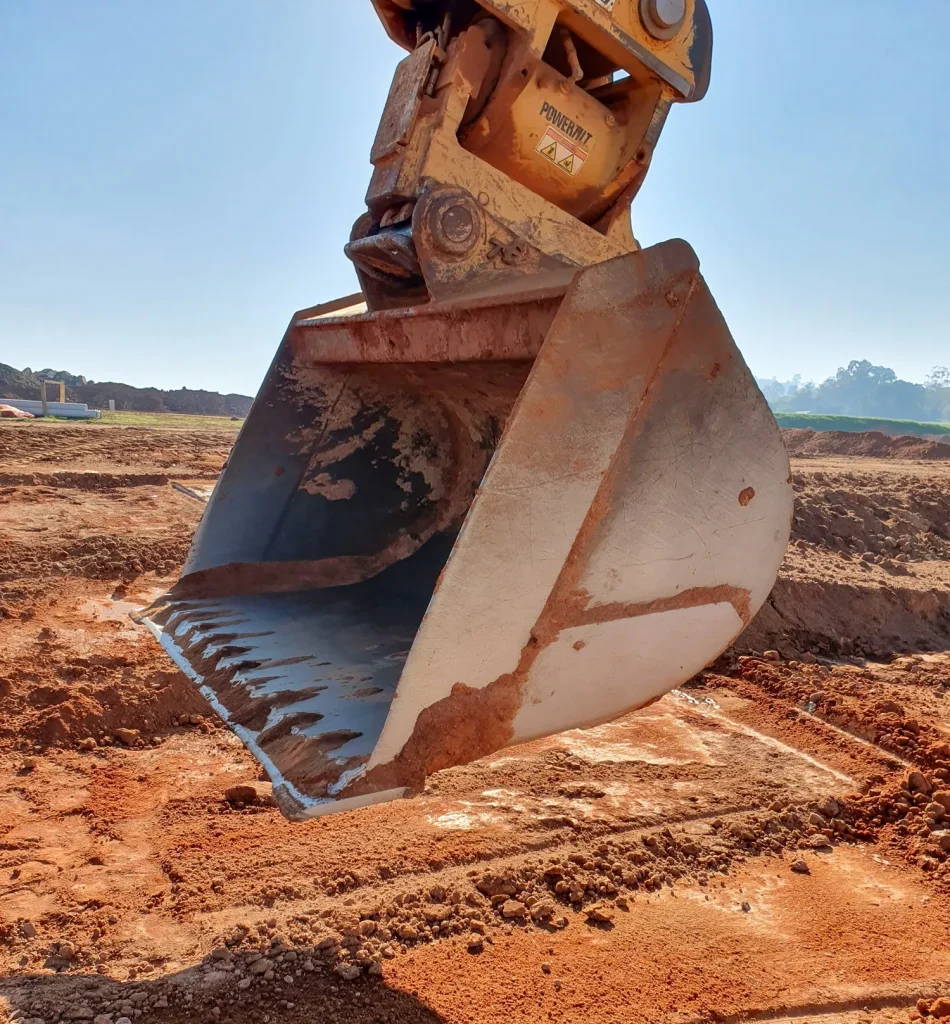
If you want the specialist briefing version, it’s this: harsh Australian conditions are a combined wear mechanism problem. Abrasion from silica-rich dust, impact loading from rock, thermal cycling, contamination ingress, and long run hours with limited maintenance windows all stack together.
Terrappe’s design approach (from what’s observable in the field and how operators talk about it) leans on three levers:
1) Geometry that spreads stress
Not exciting. Very effective. Smooth load paths, reduced stress risers, and shapes that don’t concentrate impact fatigue where cracks like to start.
2) Materials and surface strategy
Hardness without brittleness. Toughness without smearing away. Usually that means choosing the right steel/alloy, then pairing it with heat treatment and/or coatings where it actually counts (edges, contact faces, high-abrasion zones).
3) Keeping contamination out
Seals, breathers, guards, call them boring if you like, but contamination is a silent killer. Dust plus moisture plus time equals accelerated wear, especially if you’re running remote and pushing service intervals.
Now, this won’t apply to everyone, but if your machines live in fine dust and you’re seeing “mystery” failures, it’s often contamination management, not operator technique, that’s biting you.
Bold take: Most “premium” wear parts aren’t worth it unless supply is boringly reliable
I’ve seen operators buy the fanciest components available… then lose two days waiting for a replacement that should’ve been on a shelf somewhere in-country. That’s not premium. That’s a liability.
Terrappe’s advantage in Australia isn’t only that the parts last. It’s that the ecosystem, stocking, dispatch, local support, reduces the risk that a simple wear issue turns into a schedule failure. If you run remote projects, you already know the math: a $900 part plus a $6,000 downtime day is a $6,900 part.
Core lines and what you should be looking for (not just the label)
Terrappe’s “core lines” idea is essentially a promise: the parts you burn through, or the parts that stop the machine when they fail, should be engineered and supplied like they’re critical. Because they are.
Durability: what it looks like in real life
You’re aiming for:
– longer intervals between swaps
– fewer sudden failures under repetitive loading
– stable performance as the part wears (not great for 30% of life, terrible for the next 70%)
A lot of wear parts don’t fail dramatically; they degrade until the machine starts working harder, burning fuel, shaking more, and chewing itself. The operator feels it before the spreadsheet does.
Availability: the underrated performance spec
Field availability isn’t a “nice to have.” It’s a control system for your maintenance planning. Lead times you can trust let you set realistic reorder points and stop hoarding random spares “just in case” (which, frankly, is expensive clutter).
Blades, buckets, and wear parts: the benchmarks that actually matter
People love talking about hardness numbers and fancy alloys. That’s fine, but the better question is: what are you optimizing for on your site? Abrasion? Impact? Mixed ground? A nasty blend of clay and rock that cakes and then turns abrasive?
A practical benchmark set looks like this:
– Wear resistance: edge retention, material loss rate
– Fatigue life: crack resistance under cyclic impact
– Changeout time: how long the machine is dead while you swap it
– Interface integrity: pins, adapters, fasteners, and mounting points staying tight and true
And yes, cost matters. But so does cost volatility. Predictable replacement intervals make your job easier, your project forecasting cleaner, and your boss less irritated.
A data point, since everyone asks for one: silica dust is a major driver of abrasive wear on earthmoving sites, and respirable crystalline silica is also a well-established health hazard. Safe Work Australia notes it can cause serious disease including silicosis (see: Safe Work Australia, “Crystalline silica and silicosis”). That’s not just an HSE footnote, dust control and sealing strategies affect both equipment life and people.
Remote sites: keeping machines alive when help is far away
If you operate near metro, you can get away with a reactive mindset. Remote? Different game.
Look, you don’t need a complex system. You need a disciplined one.
A simple structure I’ve seen work:
– Set minimum stock levels for high-failure and high-delay parts (based on run hours, not hope)
– Standardize your fleet where you can so spares overlap
– Do small inspections often rather than big inspections rarely
– Use modular changeouts: anything that cuts swap time is a productivity tool, not a maintenance luxury
– Train for field repairs so the crew isn’t waiting for the one person who “knows how”
One-line reminder:
Reactive maintenance feels cheaper until it isn’t.
Picking the right Terrappe part for your machine + terrain (no nonsense version)
Start with the machine model and OEM requirements. Non-negotiable. After that, match to conditions.
If you’re in abrasive ground, prioritize wear surfaces and edge materials. If you’re in impact-heavy rock, don’t chase hardness so aggressively that you lose toughness and crack resistance. Mixed terrain? You’re balancing both, and the “best” part is usually the one that wears predictably and doesn’t punish the rest of the machine.
Questions I’d ask before ordering:
– What’s the dominant wear mechanism on this site: abrasion, impact, or contamination?
– Are failures happening at the wear surface… or at the interfaces (mounts, bolts, pins)?
– How long does a swap take with the crew and tools available on site?
– Is lead time stable enough to plan around, or do we need more shelf stock?
If your supplier can’t answer those cleanly, they’re not really supporting you, they’re just shipping boxes.
Service and support: what “good” looks like on site
Some service teams show up, replace a part, leave. The good ones reduce your next breakdown.
Terrappe’s on-site support pitch, stocked vans, fast response, clear ETAs, safety discipline, sounds straightforward, but it’s exactly what remote operators value. The technical skill matters, sure. The communication matters more than suppliers like to admit.
A decent support visit should include (at minimum):
– a quick compatibility check and installation done to spec
– contamination and sealing observations (if dust is getting in, fix the cause)
– a short preventive recommendation based on what they actually saw, not generic advice
And if techs aren’t strict about lockout/tagout and site protocols, I don’t care how fast they are. Speed without safety is just future downtime.
Maintenance that extends part life (and doesn’t waste your time)
Routine inspections (quick, not performative)
Walk-arounds catch the obvious stuff: loosening fasteners, cracked guards, leaks, odd noises, changes in vibration. Document it. Not because paperwork is fun, but because memory is unreliable after a 12-hour shift.
Lubrication scheduling: keep it clean or don’t bother
Grease contaminated with dust becomes grinding paste. I’ve watched perfectly good components die early because the lubrication practice was sloppy. Use the correct grade. Wipe fittings. Watch seals. Adjust intervals based on conditions, not calendar optimism.
Replacing worn parts: do it before the “domino effect”
Worn edges and loose mounts don’t just reduce performance, they start eating neighboring components. Replace wear parts when indicators show progressive wear, not when the machine forces your hand at the worst possible time.
(And yes, keep mounting hardware in scope. Neglecting bolts and studs is an easy way to turn a small job into a messy one.)
Total cost of ownership: the only metric that doesn’t lie
Upfront price is a line item. TCO is the story.
Terrappe tends to win TCO arguments when:
– wear life is consistent
– downtime events drop
– freight and emergency logistics calm down
– maintenance becomes schedulable instead of chaotic
Fewer replacements also means less scrap, fewer deliveries, and less wasted energy in the whole parts cycle. That’s not just “green talk”, it’s operational efficiency wearing an environmental label.
If your goal is predictable output on harsh Australian ground, the practical choice usually isn’t the cheapest part. It’s the part that keeps your machine working and your planning boring. That’s the standard Terrappe is trying to meet, and on the sites that matter, boring is a compliment.